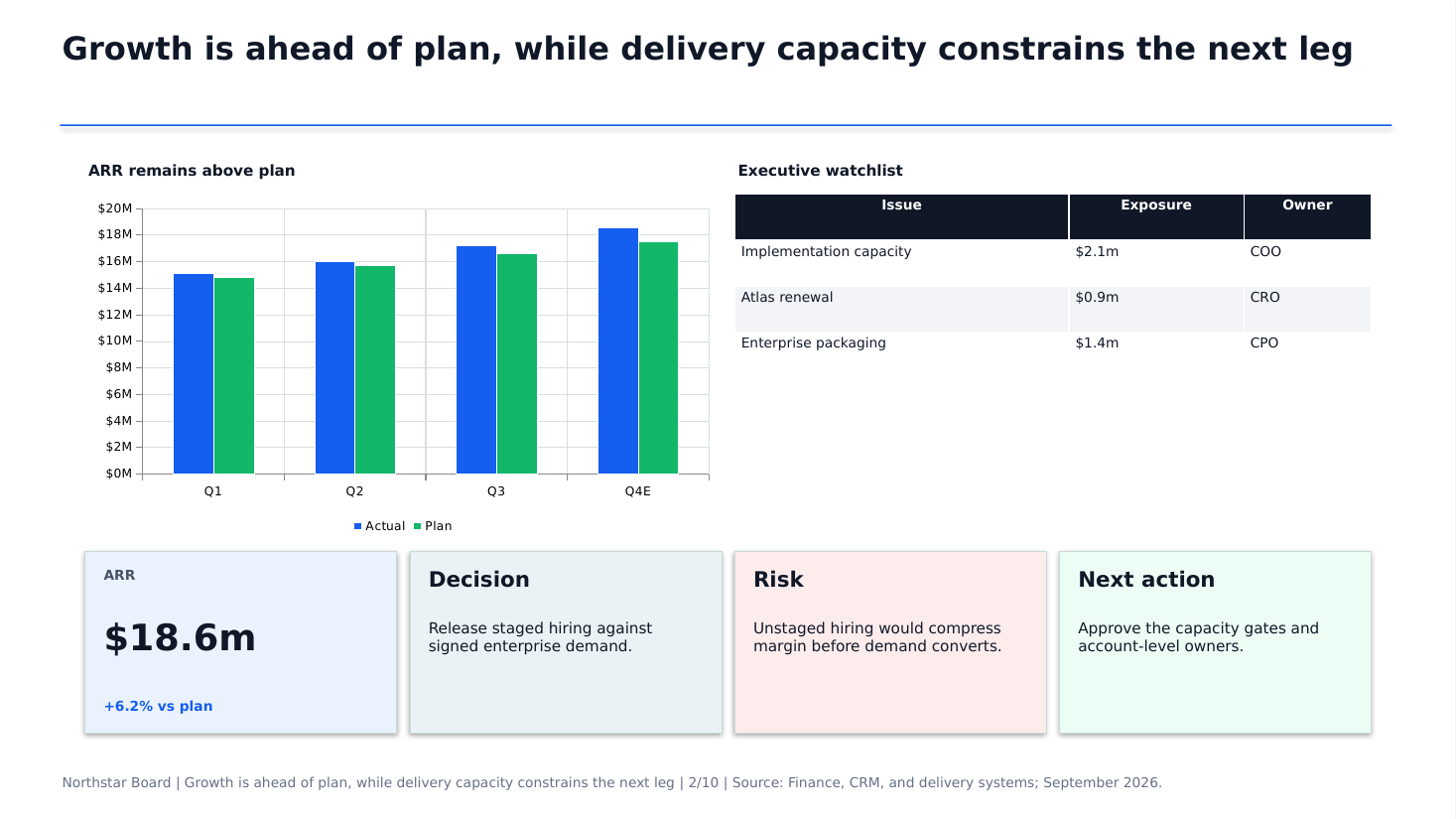
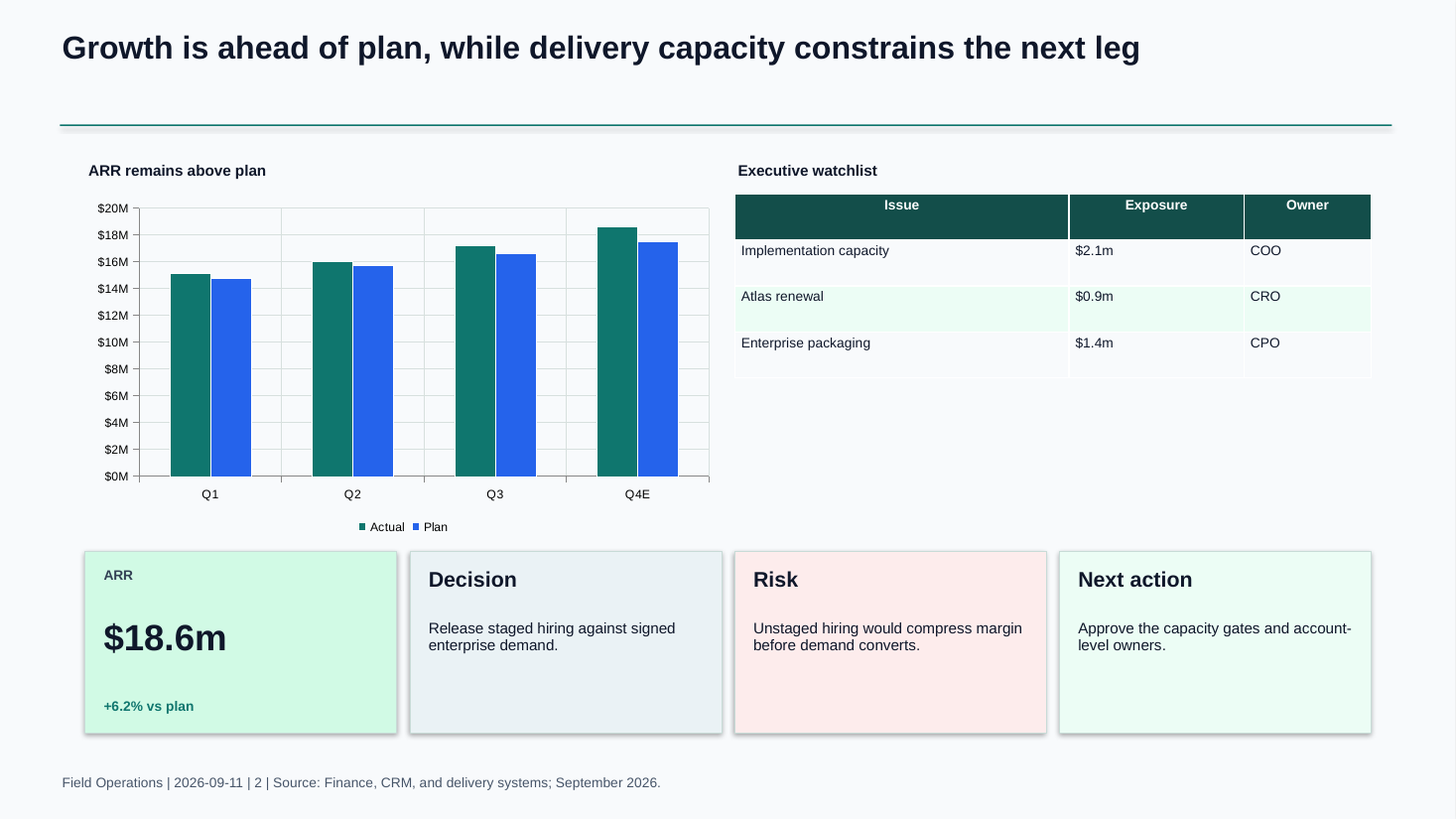
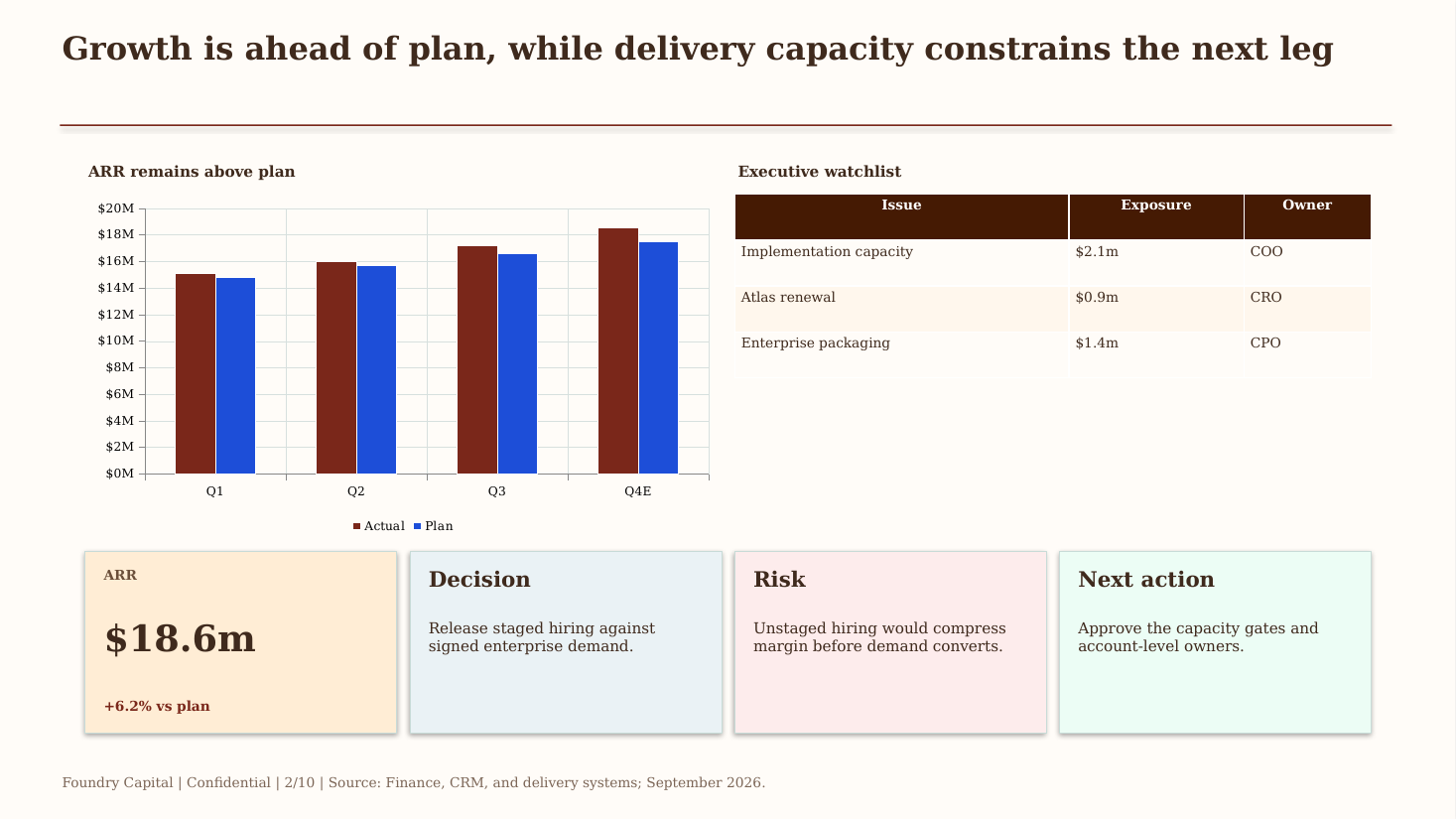
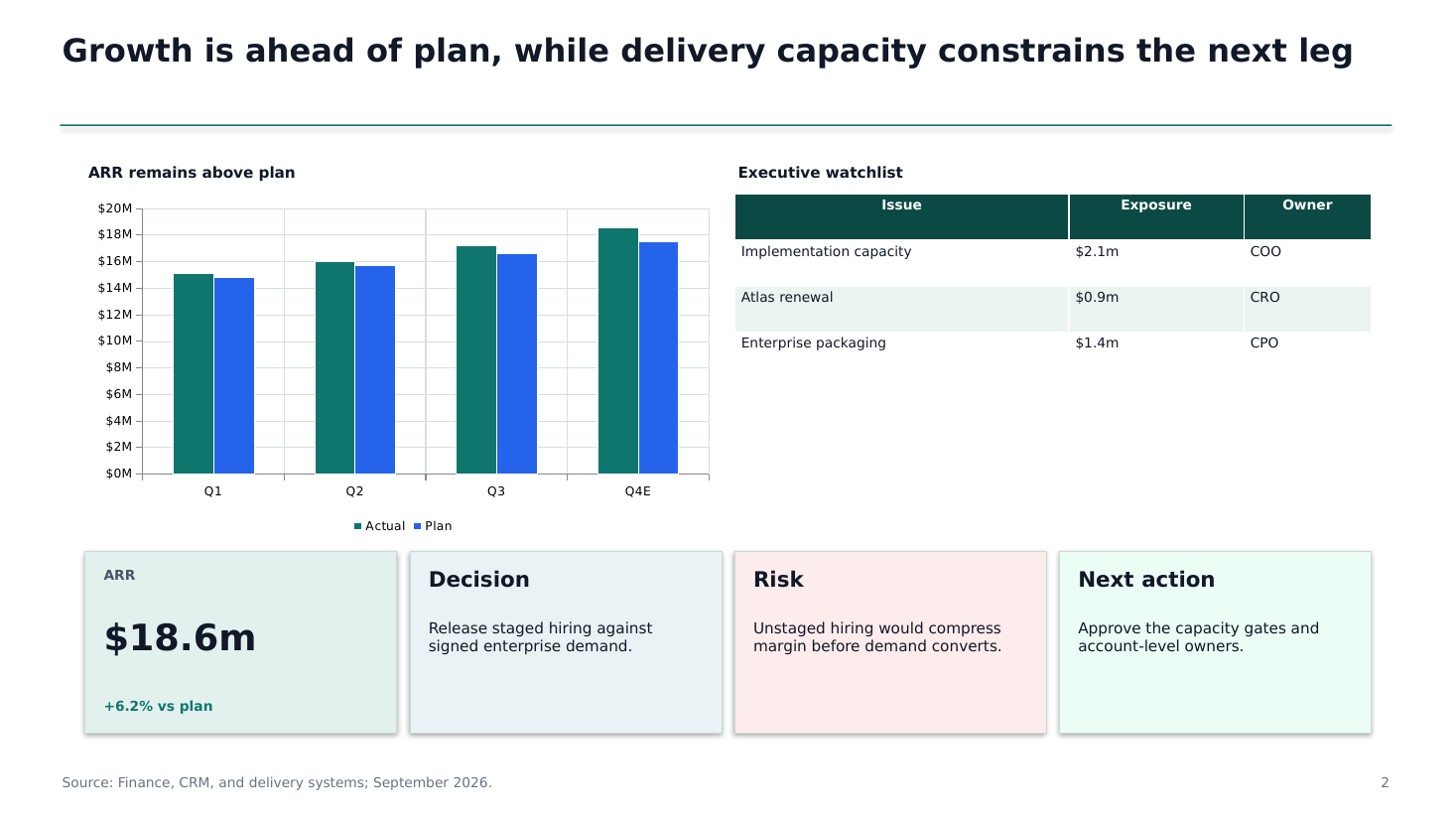
ImplementedCan gallery examples be traced back to source inputs?
Curated examples list source specs, generated deck paths, rendering path, screenshot asset, and launch-blocker status so screenshots stay connected to implementation.
Next proof: Add a per-example lineage drawer linking spec, validation report, generated PPTX, and final capture.
- Evidence type
- Example metadata
- Primary source
- ./gallery.json
ImplementedWhich visuals are native charts versus editable shapes?
Renderer metadata separates native PowerPoint chart output from shape-based analytical visuals, structural slides, and the Mekko compatibility path.
Next proof: Add side-by-side editability screenshots after real PowerPoint captures are available.
- Evidence type
- Renderer matrix
- Primary source
- ./renderer-matrix.json
ImplementedIs there a review artifact before the final PPTX is used?
The marketing flow now includes a captured review-report asset tied to the screenshot manifest; normalized diff proof remains a follow-up.
Next proof: Add normalized-diff proof and connect each review artifact to a per-example lineage drawer.
- Evidence type
- Review artifact
- Primary source
- ./assets/screenshot-manifest.json
ImplementedWhat still blocks this frontend from public launch?
Launch status is derived from the screenshot manifest and validator rather than hand-written page copy, keeping blockers explicit.
Next proof: Keep strict launch validation in release checks and replace remaining non-blocking preview placeholders.
- Evidence type
- Launch gate
- Primary source
- ./assets/screenshot-manifest.json
ImplementedCan agents and developers use the system without a manual UI?
Quickstart paths present CLI, Python SDK, MCP, and HTTP job-service entry points for local automation and agent workflows.
Next proof: Add a concrete draft, critique, repair, validate, render transcript tied to one generated deck.
- Evidence type
- Integration path
- Primary source
- ./quickstart.html
ImplementedCan evaluators see how a local render job moves from request to artifacts?
The Next.js service-job proof page shows a sanitized lifecycle fixture with queued request, completed status, events, and artifact manifest, while distinguishing the available local browser-console prototype from planned hosted workspace management.
Next proof: Capture a live local API run or TUI job view after the service fixture format is approved for demos.
- Evidence type
- Service contract fixture
- Primary source
- ./quickstart.html
ImplementedAre marketing claims reviewable before they ship?
The claims ledger gives each major claim a status, evidence summary, and source link so copy can stay aligned with product maturity.
Next proof: Expand claims coverage for SDK, MCP, HTTP service, templates, and validation reports.
- Evidence type
- Claims ledger
- Primary source
- ./claims.json
PrototypeCan Paralleliz support the bulk and lower-token-cost positioning?
The CLI, SDK, MCP, and HTTP service give Paralleliz a real local automation foundation, but the token-efficiency claim still needs benchmark evidence.
Next proof: Add a benchmark comparing prompt-only deck generation with Paralleliz spec, diff, validate, and render loops.
- Evidence type
- Strategy and automation surface
- Primary source
- ./bulk-reports.html
PrototypeCan the product fit a team's PowerPoint template and operating model?
Template placeholder examples, roadmap notes, and FAQ copy describe brand integration without implying a hosted enterprise workflow exists yet.
Next proof: Create a before-and-after template route with placeholder mapping and final branded output.
- Evidence type
- Adoption proof
- Primary source
- ./gallery.json